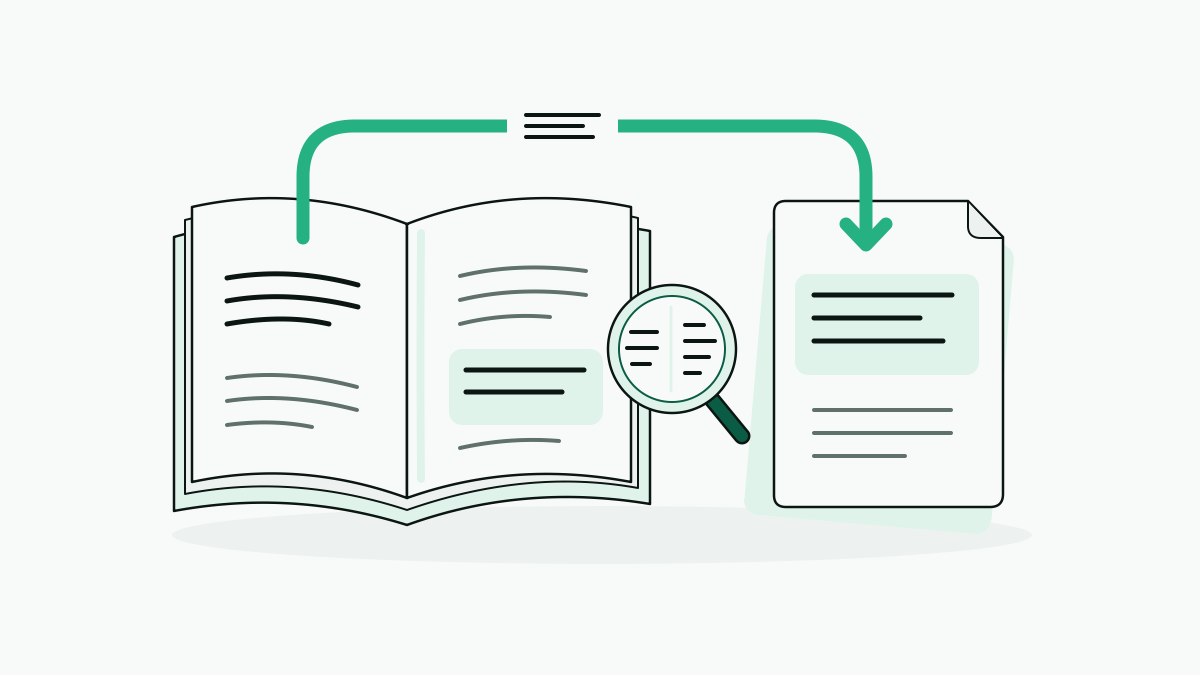
ChatGPT Translate can translate a book passage: paste the text, name the target language, and specify the regional variant and tone. For passages from a particular book, the ChatGPT chatbot works better, because it lets us send character context and a glossary along with the translation request.
Most of the work goes into a prompt we can copy and reuse, built here around an illustrative English-to-Spanish example, and into carrying its context over to each new passage and reviewing what comes back. A short workflow then shows whether translating passage by passage is enough or whether the book needs a whole-book approach.
When to use ChatGPT Translate and when to switch to the chatbot
ChatGPT Translate is enough for a standalone excerpt; the chatbot comes in when a passage needs explaining or revising. The dedicated webpage uses the same translation skills that are available in the ChatGPT chatbot.
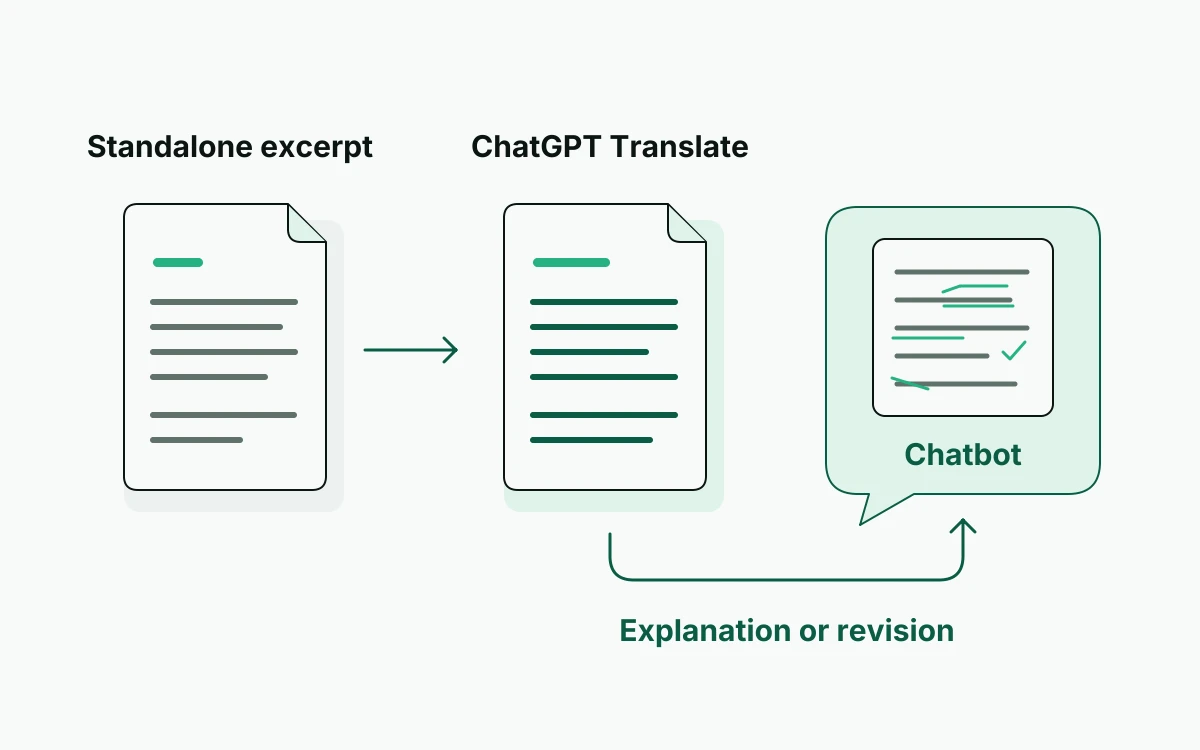
On the page, paste the source text and set the target, for example “Spanish (Spain)”. Once the translation appears, sample prompts offer adjustments such as more fluent wording or an explanation for a child, and selecting one opens a ChatGPT conversation.
That conversation is where book-specific follow-ups go: “The speaker is addressing her older sister, not a stranger. Revise the dialogue to reflect that relationship.” Knowing the relationship gives the chatbot more to work with than a general request to make the prose sound natural.
The dedicated page also mentions voice and image translation, but gives no date for when those will be available there. The image-upload options in the chatbot are a separate thing, so they shouldn't be counted as features of the translation page.
Giving ChatGPT the audience, tone and glossary for a passage
A prompt for a book passage names the source language, the target variant, the genre, the intended reader and the tone, then says what must stay unchanged. Add a short glossary and ask for the translation only, so no commentary gets mixed into the passage.
“Spanish” on its own leaves the regional choices open. Mexican, Castilian and Argentine Spanish differ in vocabulary and tone, so naming the intended market makes the request more specific.
For a passage from an English novel, the prompt can look like this:
Translate the English passage below into Mexican Spanish.

Genre: contemporary fiction. Intended reader: adults in Mexico. Tone: natural, conversational narration; not formal.

Preserve the idiom’s meaning rather than its literal wording.
Preserve paragraph breaks and character names.
Keep any headings, footnotes and tables in their original roles.
Follow this glossary:
- Elena → Elena
- Casa Azul → Casa Azul (a place name; do not translate)

Return only the translation, without explanations or notes.

Passage:
She spilled the beans.
Illustrative English source: “She spilled the beans.”
Illustrative Spanish translation: “Ella reveló el secreto.”
The pair shows the meaning we're asking for; it isn't output from a ChatGPT test. “Preserve the idiom” here means keeping the sense of revealing a secret instead of translating the image of spilled beans literally.
For a longer excerpt, swap the book’s actual text and terms in for the sample passage and glossary, and keep only the instructions that apply.
Keeping names and terms consistent from one passage to the next
Each new translation request should carry the same glossary and the relevant earlier context. The glossary is editorial guidance, and ChatGPT can still miss an entry.
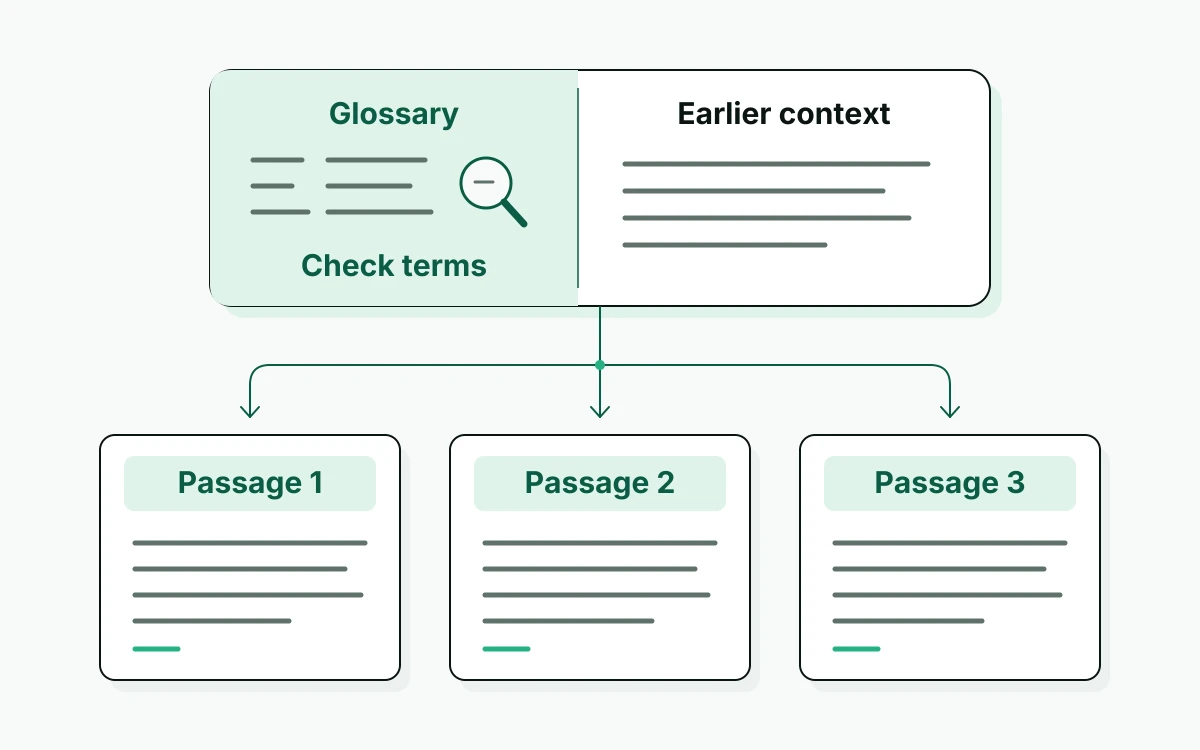
Keep a reusable note alongside the source text:
Glossary: North Tower → Torre Norte; Mara → Mara.
Context: [Briefly state who is speaking, their relationship,
and any earlier event needed to understand this passage.]
Use the glossary’s spellings. Flag ambiguous terms separately.
The context only needs to cover what helps interpret the new passage, not every previous chapter. Each newly approved name or term goes into the note before we continue.
Repeated terms are easiest to compare across outputs with the source and translation side by side. If “Torre Norte” later turns into “Torre del Norte,” pick one form and correct the drift. After a model change, recheck a passage we already know well, since wording that held steady in earlier outputs can shift in later ones.
Fluent ChatGPT translations can still get the meaning wrong
A translation can sound natural and still change who did what, what a character meant, or how certain a claim is. That's why we check the meaning before polishing the prose.
Go back to “spilled the beans”. In a scene about revealing a secret, Spanish reveló el secreto carries the intended meaning, while derramó los frijoles puts literal beans into the scene and changes it. Like the pair above, both are illustrative renderings. Idioms trip up machine translation because wording can be grammatical and still wrong for the context.
An AI translation works as a draft for reading, research or internal notes; it just isn't ready to publish. Before publication, have it reviewed by someone fluent in both languages who knows the subject and the intended readers. For high-stakes material, arrange that review before starting rather than waiting until the translated manuscript is finished.
Unpublished text raises one more question before it's submitted. Check the tool’s current data-retention practices and training settings, and confirm whether submitted text is excluded from model training, because a private conversation doesn't guarantee that on its own.
The next step for a single passage or a whole book
The choice comes down to the output we need: translated text for a passage, or a book workflow for a readable EPUB. Even a fluent answer in ChatGPT needs more work before it becomes a finished EPUB or a Kindle-ready book.
| Task | Tool category that fits |
|---|---|
| Translate a short piece of text quickly | General translation engines |
| Apply character context, tone and glossary instructions | Chatbots |
| Read translated text on a webpage | Browser extensions |
| Prepare or convert a book file | Desktop converters |
| Translate chapters with book-level continuity | Whole-book translators |
When comparing free and paid options, start with whatever small sample is available and check the current limits before committing. Judge the fit on a representative chapter, since a simple opening paragraph may tell us too little.
For a whole-book workflow, DualBook translates EPUB chapter by chapter while carrying names and terms forward, with the original and translation side by side and an optional AI audiobook.
That workflow starts from an EPUB, so a PDF, MOBI or Word file needs converting first. Turning novel.docx into novel.epub only prepares the file; the contents are still untranslated.
Headings, footnotes, tables and numbered clauses should stay part of the document structure, because they can carry meaning. Rebuilt by hand after translation, they're easy to get wrong: a row goes missing, or a note ends up attached to the wrong passage.
Our guide on how to translate a book with AI covers the complete conversion and publishing steps, from file to reviewed EPUB. If publication is the plan, check translation rights with the rights holder, since owning a copy doesn't in itself grant permission to publish a translation.